Body Waxing Aftercare — What to Do in the 48 Hours That Decide How Your Skin Looks
Uncover the ultimate guide to body waxing aftercare, breaking down what your skin experiences post-appointment, how to avoid common irritations, and the exact steps to take during the vital 48-hour window to keep your skin soft, healthy and perfectly radiant.
 Violetta 5 min read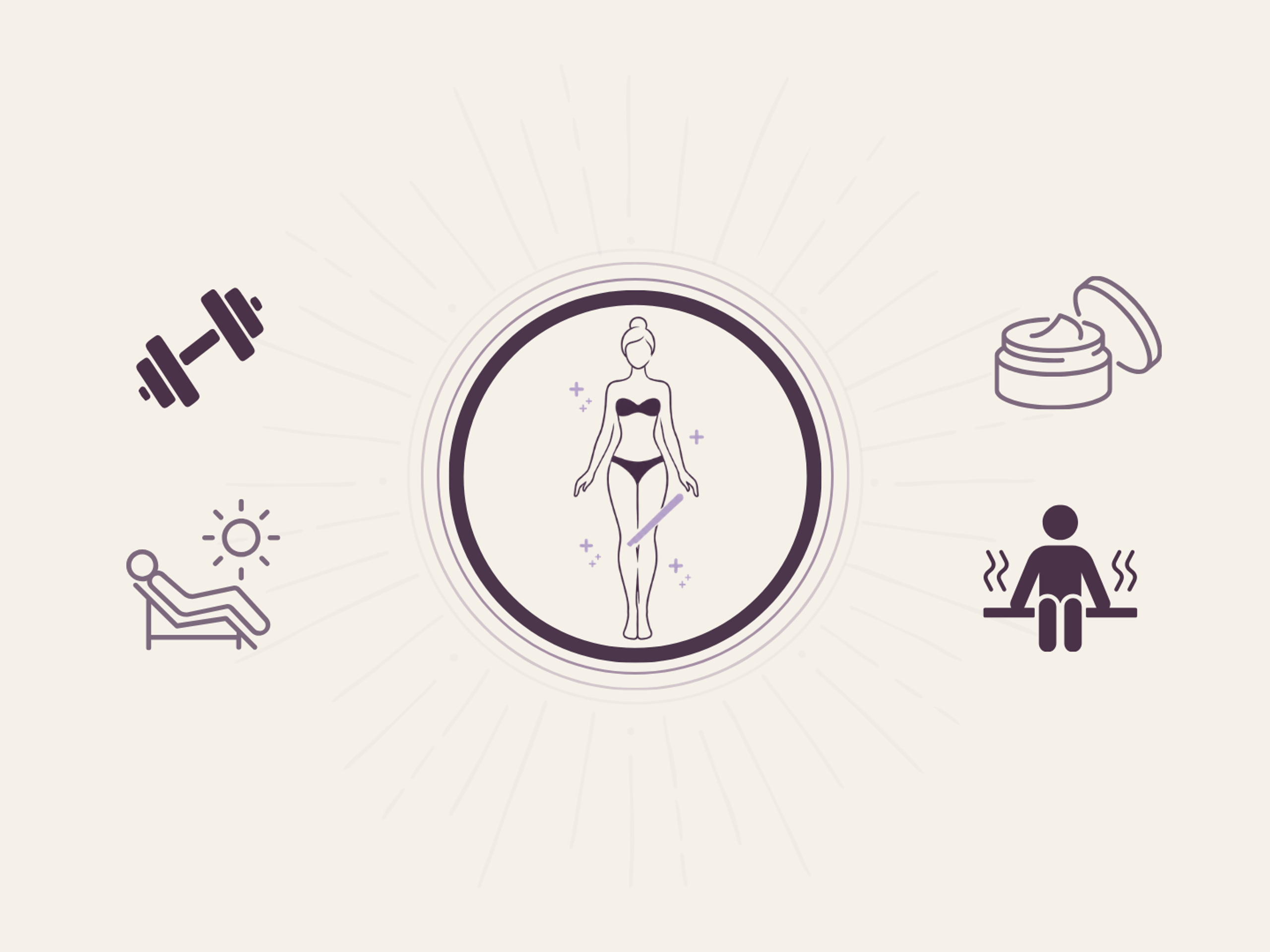
On this page
Your appointment may be complete, but what if we told you the longevity of results is determined by post-waxing care? When it comes to hair removal, there are a few simple guidelines that will truly help you maintain smooth and calm skin. In this article, we will discuss the waxing aftercare tips, why the 48-hour window is important, and how to truly master the art of keeping your skin soft and silky.
Why the First 48 Hours Are So Important
The proper post-wax care helps soothe red and irritated waxed areas and can make all the difference in the results. Waxing itself is a form of hair removal where the hair is pulled from its root. This leaves the skin with tiny “open pores” that are exposed to many different elements, including bacteria and sweat. Later in this article, we will go over the guidelines on what to do after waxing to improve your experience and maintain the best results. Keep reading!
What Your Skin Is Going Through Right Now
Let's assume that your skin was just freshly waxed and now you wonder if this might cause some side effects. Let's discuss the common post-wax reactions, why they happen, and how long they can last.
| What can happen after waxing | Why | How long does it last |
|---|---|---|
| Redness/Inflammation | The skin natural response | 1-4 hours, but may be up to 24 hours for sensitive skin types. |
| Histamine Reactions | A normal reaction that comes from our immune system and is a protective response. Not a serious or true allergic reaction. | 30 minutes to a few hours. It may last longer on more reactive areas such as the back and chest. |
| Folliculitis (Red Bumps) | Occurs when open or exposed follicles become inflamed due to bacteria. Common around bikini areas due to friction from undergarments. | Usually clears up in 12-48 hours. |
| Ingrown hairs | During regrowth, hair may curl under the skin instead of growing out of the surface. | Can appear around the 7-day mark post wax, and will stay until trapped hair is released. |
The Do's: What to Do Right After Your Waxing Appointment
A few care tips that help your skin stay calm and improve your waxing experience
- Use of Aloe Vera: Applying a calming and cooling product can aid in soothing the skin.
- Wearing loose clothing: Choosing breathable fabrics allows the skin to avoid friction and, therefore, helps prevent discomfort.
- Using cold compresses: Helps reduce any redness that may be present, as well as ease the inflammation.
- Keeping the waxed area clean: A mild, gentle, fragrance-free cleanser is the best choice.
- Avoiding touching the area: Can help prevent bacteria from entering the open pores.
The Don'ts: What to Avoid for at Least 48 Hours
In the previous section, we covered some safe guidelines to follow when it came to maintaining our wax. However, what we should avoid after a wax is just as crucial.
| What to Avoid | Why |
|---|---|
| Exposure to the sun | Increases chances of redness, swelling, and sunburns, as well as hyperpigmentation and dark spots. |
| Heat sources (Hot Showers, Saunas, High Temperature-based workouts) | May increase the chances of irritation and inflammation. |
| Tight clothing | Might cause discomfort, bacterial growth from sweat, and even uncomfortable ingrown hairs. |
| Heavy Exercise | Increases the risk of bacteria entering open follicles due to sweat, chafing, and friction-based soreness. |
| Fragranced Products | Contribute to stinging and burning sensations. Fragrance could also potentially increase the risk of contact dermatitis. |
Sensitive Skin and Body Waxing — Extra Steps Worth Taking
Sensitive skin can react differently to waxing services due to common responses from the immune system. While one client may be prone to more redness, another may develop histamine responses, bumps, or even bruising. As previously mentioned, those with sensitive skin types have an increased risk of hyperpigmentation and areas of discoloration from direct sunlight.
Due to the myriad of potential reactions, we take extra steps to protect the skin as well as inform the client on the correct aftercare. Using waxes designed for sensitive skin, correct pre- and post-care, and diligent use of SPF 30+ help to make the service safe and comfortable.
How to Care for Specific Areas — Bikini Wax and Beyond
It is common for certain areas, such as the bikini and chest to require more attention due to increased sensitivity. It is also common to notice more of a reaction. To keep these areas irritation-free, it is recommended to follow simple post-care guidelines mentioned previously. Aloe vera gel, cold compresses, avoiding workouts and saunas, and loose-fitting clothing are all great examples of how we can be gentle in these areas!
Full Body After Wax Care
When full-body waxing is performed, you need to make sure you take care of each zone individually. Some areas may require more attention and time to heal, while others look and feel normal right away.
When a consistent care routine is followed, as well as the do’s/ dont’s, and communication is open with your waxing specialist, skin recovery happens more smoothly and faster, and the results last longer. It helps make future services more comfortable and presents results that you crave!
Exfoliation After Waxing — When to Start and How to Do It Right
One of the most commonly discussed aspects of post-wax care is exfoliation. Why is it important? Exfoliation aids in the removal of dead skin cells that may build up after waxing, and without this step, we have a higher risk of experiencing blocked hair follicles. When new, soft regrowth starts to form, we want to give it the proper space to come in.
To include exfoliation in a wax aftercare routine, it is recommended that the exfoliation become a part of the home-care routine 48 hours after the wax. Regular exfoliation is extremely beneficial between sessions. When we exfoliate 2-3 times a week, we are working on preventing ingrown hairs! That is a crucial step in the aftercare.
When to See a Professional About Your Skin's Reaction
Waxing can cause different reactions at times. Most of the time, any mild reaction disappears within hours after the appointment. However, you should reach out to your service provider if you experience:
- A redness or swelling that spreads away from the wax site, or feels hot and uncomfortable to the touch.
- Blisters that ooze or rashes that seem to worsen rapidly.
- Skin that feels torn, ripped, or lifted in a manner that feels extremely raw to the touch.
- Fever, chills, or flu-like symptoms that occur shortly after your session
These reactions are not typical and may potentially require medical attention.
At Beauty Republic in Woburn, we prioritize your health. Our estheticians completed professional training in proper techniques and handling of wax. You can count on us to make the process as comfortable as possible. Not only do we want you to have the best waxing experience, but we also prioritize communication and support even after the service has ended.
We believe that it is crucial that you leave our salon well-informed about the aftercare tips, what to expect, and how your skin heals and hair regrows. Maintaining results and communicating openly and honestly will always be extremely important to us. We have your back!
FAQ
Can I shower after a body waxing session? Yes, but it is recommended that you wait a few hours after the wax to allow the skin to calm itself. When showering, avoid hot water - and choose a lukewarm setting. Showering is the preferred option over bathing. Avoid harsh scrubbing, fragranced products and choose a gentle, mild soap.
How do I prevent ingrown hairs after waxing? It is recommended to avoid tight clothing, shaving in between waxes, sun exposure, heat sources, and fragranced products. Additional suggestions for your home routine include: cool compresses on the same day, exfoliating after 48 hours, soothing products that keep the area moisturized, loose clothing, and avoiding touching the area.
Is it normal for skin to be red after waxing? Yes, redness post-wax is completely normal. It is a pretty common but temporary reaction. This is your body's natural response to hair being removed from its root. Redness usually shows up quickly during the wax and typically disappears within a few hours. For some people, it can take up to 48 hours.
How soon can I book my next waxing appointment? To keep yourself in the perfect window of regrowth, it is generally recommended that waxing appointments are booked every 4–6 weeks. Staying on schedule helps the regrowth come back finer over time.